
Elevated Visuals LLC
Why Professional Real Estate Photography Matters Even More in a Slower Market
A slower real estate market does not make professional photography less important. It gives buyers more time and more listings to compare—making presentation one of the few things a seller can control from the beginning.
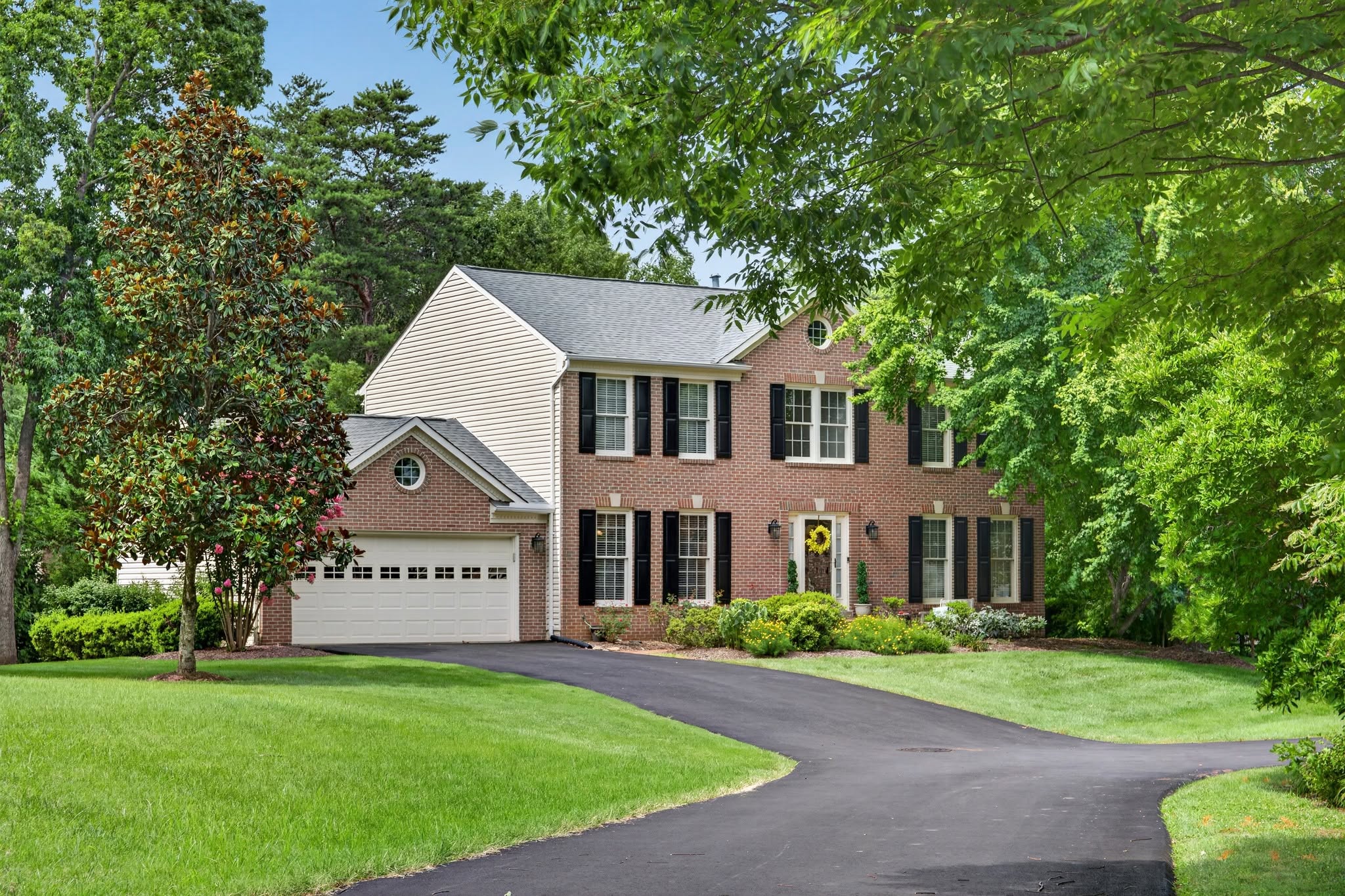
When homes sell quickly, almost any new listing can attract attention. When the market slows and buyers have more properties to compare, earning that attention becomes harder.
That is when professional real estate photography matters most.
Photography cannot change the price, location or condition of a property. It can, however, determine how clearly buyers understand the home, which features they notice and whether the listing earns a closer look. In a more selective market, those first impressions carry more weight.
Northern Virginia buyers have more choices
The Northern Virginia market remains active, but recent numbers show that buyers are becoming more selective. In August 2026, the Northern Virginia Association of Realtors reported that active listings increased 18.5% from the previous year while closed sales declined 8%. Prices still held up, which suggests that buyers have not disappeared—they simply have more choices and are taking greater care when deciding which homes deserve their attention.
That distinction matters. A slower market is not necessarily a market without demand. It is a market in which each listing has to compete more deliberately.
When buyers can compare several similar homes from a phone or laptop, presentation becomes part of the property's positioning. The listing that looks bright, coherent and easy to understand has an advantage over one represented by dark rooms, inconsistent colors or incomplete coverage.
The first showing happens online
Before a buyer schedules a tour, they usually encounter the home through its listing photographs. The images introduce the exterior, establish the flow of the interior and help the buyer decide whether the property fits their priorities.
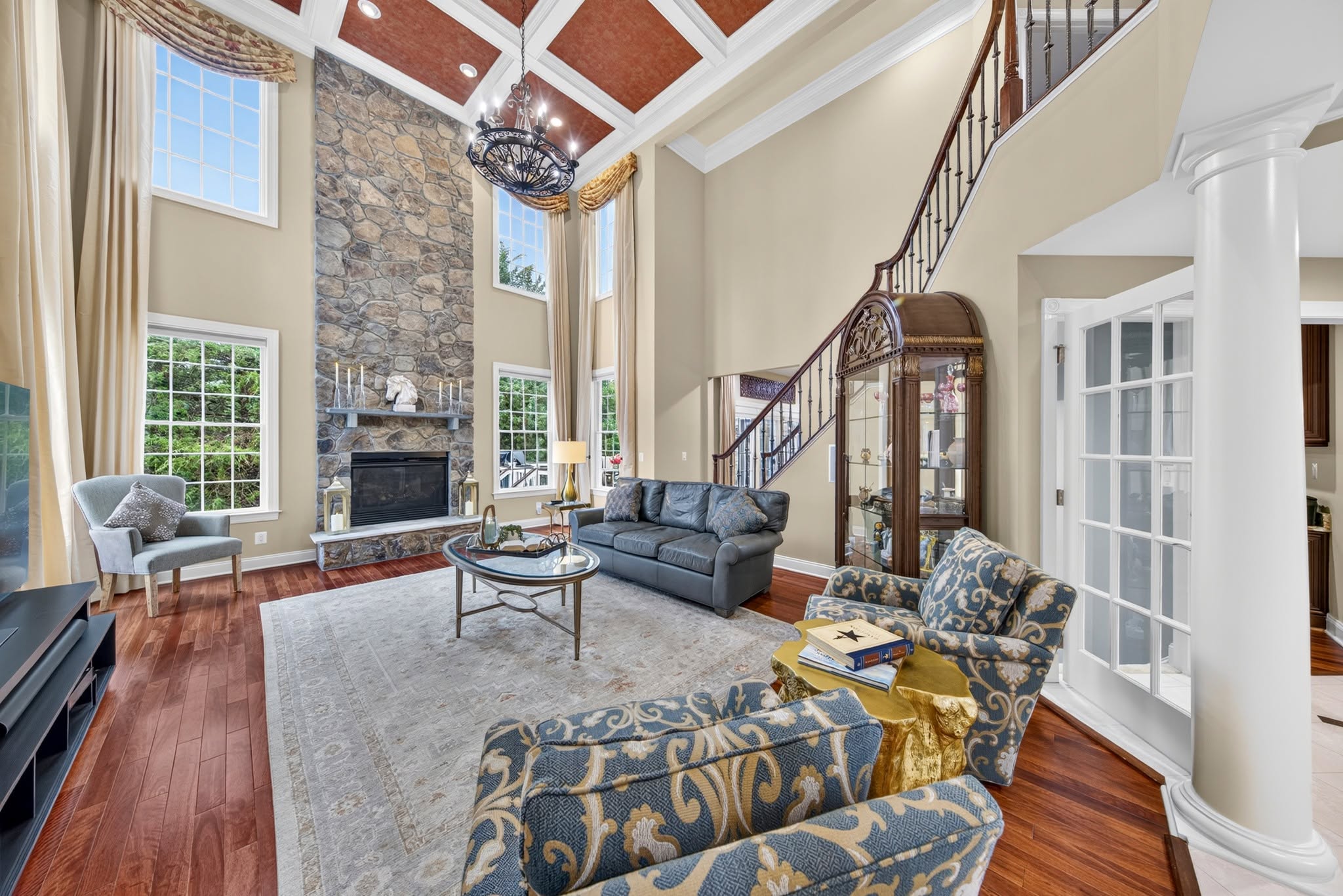
Strong photographs should do more than make rooms look attractive. They should answer practical questions:
- What does the home look like from the street?
- How do the main rooms connect?
- Does the interior receive good natural light?
- How large do the rooms feel in relation to one another?
- What outdoor spaces, views or additional structures are included?
- How does the property sit within the surrounding land or neighborhood?
If the photographs leave those questions unanswered, buyers may move on to another listing rather than investigate further. When inventory is limited, they may come back. When inventory is growing, they may not need to.
More competition exposes weak presentation
In a fast market, urgency can hide weaknesses in the marketing. Buyers may schedule a showing because they are afraid the home will be gone tomorrow.
That urgency is reduced in a slower market. Buyers have more time to compare photographs, floor plans, property descriptions and pricing. Small presentation problems become easier to notice:
- Dark or uneven lighting
- Crooked vertical lines
- Too few exterior photographs
- Wide-angle images that distort the space
- Aerial photographs that do not explain the property
- A photo sequence that makes the layout difficult to follow
Professional photography creates a consistent visual experience from the first exterior image through the final detail. The objective is not to make the property look like something it is not. It is to show the home accurately, clearly and at its best.
Better photography helps protect the property's perceived value
Price is one of the most important factors in any real estate transaction, but buyers do not evaluate price in isolation. They compare what they see with other available properties.
If a listing is priced confidently but presented casually, the marketing and the asking price can feel disconnected. Buyers may wonder whether the home has been properly maintained or whether the seller is serious about the sale—even when neither concern is justified.
Clean, professional imagery helps the presentation match the property's position in the market. It communicates care and gives buyers enough visual information to understand why the home deserves consideration.
Photography cannot compensate for unrealistic pricing, poor preparation or deferred maintenance. It can make sure those problems are not compounded by weak marketing.
Complete visual coverage reduces uncertainty
Still photography is the foundation of most listings, but some properties need more context than photographs alone can provide.
Floor plans explain the layout
A floor plan helps buyers understand how rooms relate to one another, where bedrooms are located and whether the flow of the home fits their needs. This is especially useful when the layout is unusual or difficult to communicate through individual images.
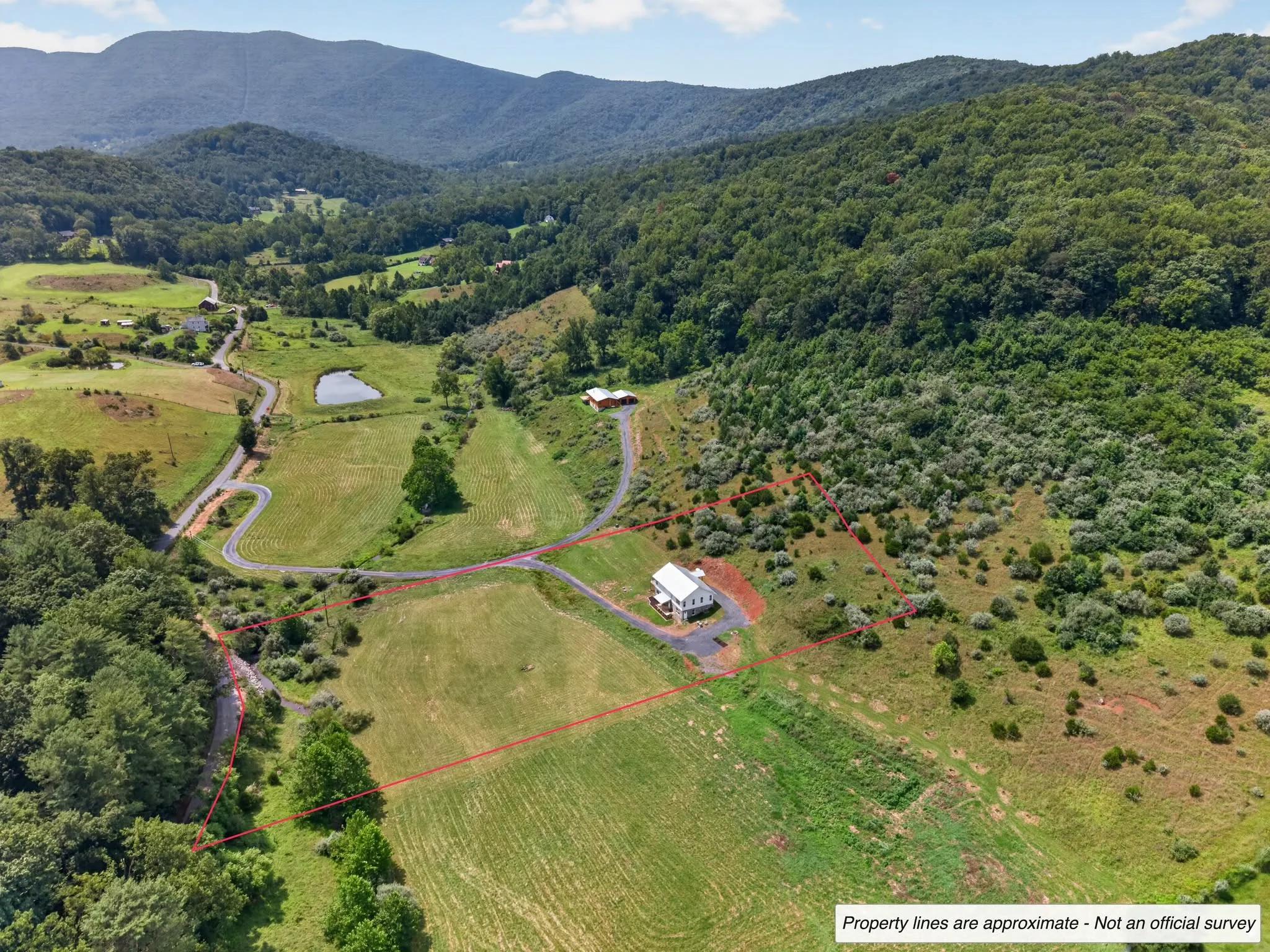
Drone photography shows context
Aerial coverage can show acreage, water access, outbuildings, nearby amenities, privacy and the relationship between the home and the surrounding property. It is particularly valuable for farms, vacant land, waterfront homes and larger lots.
Video creates a sense of movement
A well-planned property video can help buyers experience the pace and atmosphere of a home. Short-form vertical video also gives agents an additional way to introduce the listing on social media.
Twilight imagery creates a strong lead image
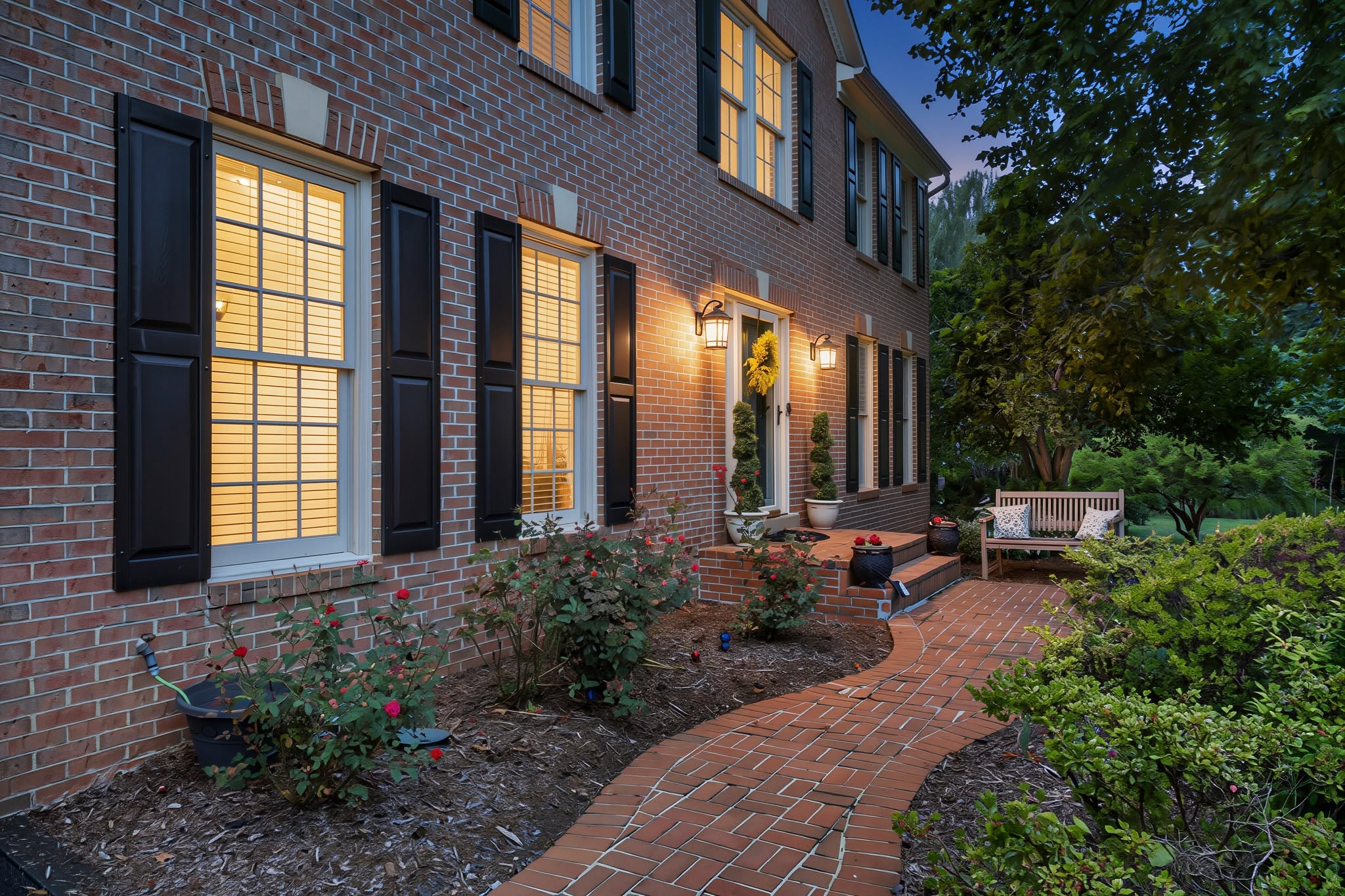
For homes with distinctive exterior lighting, pools, outdoor entertaining areas or architectural details, twilight photography—or a carefully produced virtual twilight—can help the listing stand apart from similar daytime exteriors.
The right media package depends on the property. Adding every available service is not always necessary. The goal is to remove uncertainty and give buyers the information they need to appreciate what makes the listing different.
Consistent marketing also strengthens the agent's brand
The photographs market the property, but they also reflect the agent responsible for the listing.
When every listing is presented with consistent quality, clients see an agent who takes preparation and marketing seriously. That matters when competing for future listings, particularly when sellers are interviewing multiple agents and comparing how each one plans to position the home.
Professional photography is not only an expense attached to the current property. It becomes part of the agent's portfolio and a visible example of the standard they bring to every client.
Preparation matters just as much in a slower market
Professional equipment cannot replace property preparation. Before the appointment, sellers should remove visual clutter, clean reflective surfaces, open window treatments, replace burned-out bulbs, tidy outdoor areas and make sure every room is accessible.
The goal is not to remove all personality from the home. It is to make the space easy to understand without distractions competing for attention.
Agents can make this process easier by giving sellers a clear preparation checklist and scheduling the photography early enough to address weather, staging or access issues without jeopardizing the listing date.
A slower market rewards thoughtful presentation
When buyers have more choices, a listing cannot rely entirely on urgency. It has to earn attention, communicate value and give buyers a reason to take the next step.
Professional real estate photography does not guarantee a sale, and it should never be presented as a substitute for the right price or a well-prepared property. Its role is more practical: make sure the listing is not overlooked because the marketing failed to show what the home offers.
In a fast market, strong photography is an advantage. In a slower, more selective market, it becomes part of the basic strategy for competing well.