Elevated Visuals LLC
FAA Drone Photography Rules for Commercial Use—and Why Part 107 Certification Matters
Commercial drone photography is governed by FAA rules covering pilot certification, registration, airspace, flight limits and safety. In Northern Virginia, those requirements are especially important.
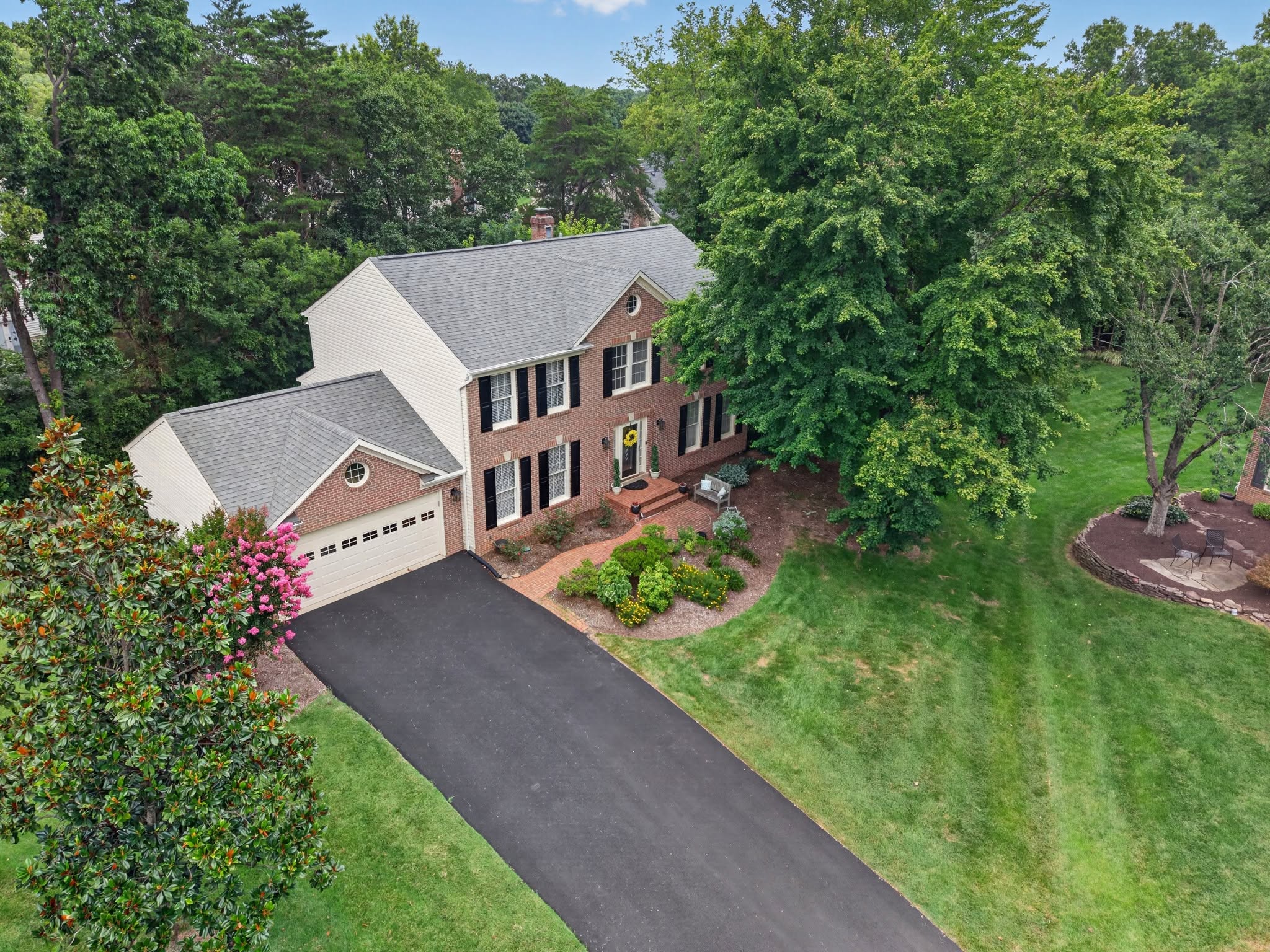
Aerial photographs can reveal the setting, lot, roofline, access and nearby amenities of a property in a way ground photography cannot. But once a drone is used to support a real estate listing, construction project, inspection or other business purpose, the flight is no longer simply recreational.
Commercial and other non-recreational small-drone operations are generally governed by the Federal Aviation Administration's Part 107 rules. That means the person operating the controls must hold an FAA Remote Pilot Certificate with a small UAS rating or be directly supervised by someone who does.
For a client, Part 107 certification is more than a credential on a website. It is evidence that the operator has been tested on airspace, weather, operating limits, emergency procedures and aviation safety—and has continuing requirements to remain current.
When does Part 107 apply?
The purpose of the flight matters. If drone photographs or video are created for a property listing, a business website, a construction report, an inspection or another commercial objective, the operation falls outside the limited recreational exception.
It does not matter whether the operator is paid separately for the drone portion. Creating aerial media that benefits a business or supports a paid service is a non-recreational operation and should be conducted under the appropriate FAA rules.
What does a compliant commercial drone operation involve?
A current Remote Pilot Certificate
The remote pilot in command must hold an FAA Remote Pilot Certificate and keep the required aeronautical knowledge current. The certificate holder is responsible for the safety and legality of the operation.
Drone registration and Remote ID
Each drone used under Part 107 must be registered with the FAA and marked with its registration number. Drones that are required to be registered must also comply with Remote ID unless a specific exception applies. Remote ID functions much like a digital license plate by broadcasting identification and location information.
Airspace review and authorization
Class G airspace generally does not require air traffic control permission. Operations in controlled Class B, C, D or surface Class E airspace require authorization. Eligible operators can often request it through the FAA's Low Altitude Authorization and Notification Capability, known as LAANC.
Authorization is tied to a location, altitude and time. Owning a drone—or even holding a Part 107 certificate—does not create blanket permission to fly anywhere.
Operating limits and safe flight
Part 107 includes rules for how the aircraft is operated. In a typical compliant flight, the pilot must:
- Keep the drone within visual line of sight
- Yield to crewed aircraft
- Avoid careless or reckless operation
- Remain at or below 400 feet above ground level, with a limited allowance near structures
- Maintain required flight visibility and cloud clearance
- Complete a preflight check
- Follow restrictions involving people, moving vehicles and sensitive locations
Night operations require current training and anti-collision lighting visible for at least three statute miles. Some operations outside the standard rules require an FAA waiver.
Why Northern Virginia requires special attention
Northern Virginia has a dense mix of airports, heliports, controlled airspace and federal security restrictions. Much of the region is affected by the Washington, D.C. Special Flight Rules Area, or SFRA, centered on Ronald Reagan Washington National Airport.
The SFRA extends 30 miles from the airport and includes a more restrictive 15-mile inner ring. Drone flight within the inner ring is prohibited without specific FAA authorization. Non-recreational flight in the outer ring may be permissible under Part 107 and the applicable operating conditions, but the pilot must evaluate the precise location and current restrictions.
Temporary Flight Restrictions can also appear with little notice for security, major events, emergency response or presidential movement. A responsible operator checks the airspace again before takeoff, even when a flight was planned in advance.
This is why a property being outside Washington, D.C. does not automatically mean the airspace is unrestricted.
Why clients should hire a Part 107 certified operator
The shoot is planned around what is legally possible
A certified operator can read the airspace, identify required authorization and determine whether the requested flight can be completed safely. That reduces the chance of arriving at the property only to discover that the planned aerial coverage cannot legally happen.
The property and surrounding community are treated responsibly
Real estate flights take place near homes, roads, neighbors and sometimes busy public areas. A trained operator plans the route, keeps the aircraft within sight, monitors other aircraft and avoids unnecessary exposure over people and moving vehicles.
The media is backed by a professional process
Certification and insurance address different risks, so clients should look for both. Elevated Visuals is FAA Part 107 certified and commercially insured. Airspace authorization is handled in advance when available, and aerial coverage is flown only when weather, safety and FAA rules allow.
The client's project is less exposed to disruption
An illegal or poorly planned flight can be stopped, delayed or leave the client without the aerial assets expected for launch day. Working with a qualified operator makes flight planning part of the production process instead of an afterthought.
What should you ask a drone photographer?
Before hiring an operator for real estate, construction or commercial work, ask:
- Do you hold a current FAA Remote Pilot Certificate under Part 107?
- Is the aircraft registered and Remote ID compliant?
- Will you check the airspace and obtain any required authorization?
- Do you carry commercial drone liability insurance?
- What happens if weather or airspace restrictions prevent flight?
- How will the aerial images support the purpose of the project?
The right aerial photograph is not simply taken from higher up. It is planned to show context clearly, captured within the rules and delivered as part of a complete visual story.